
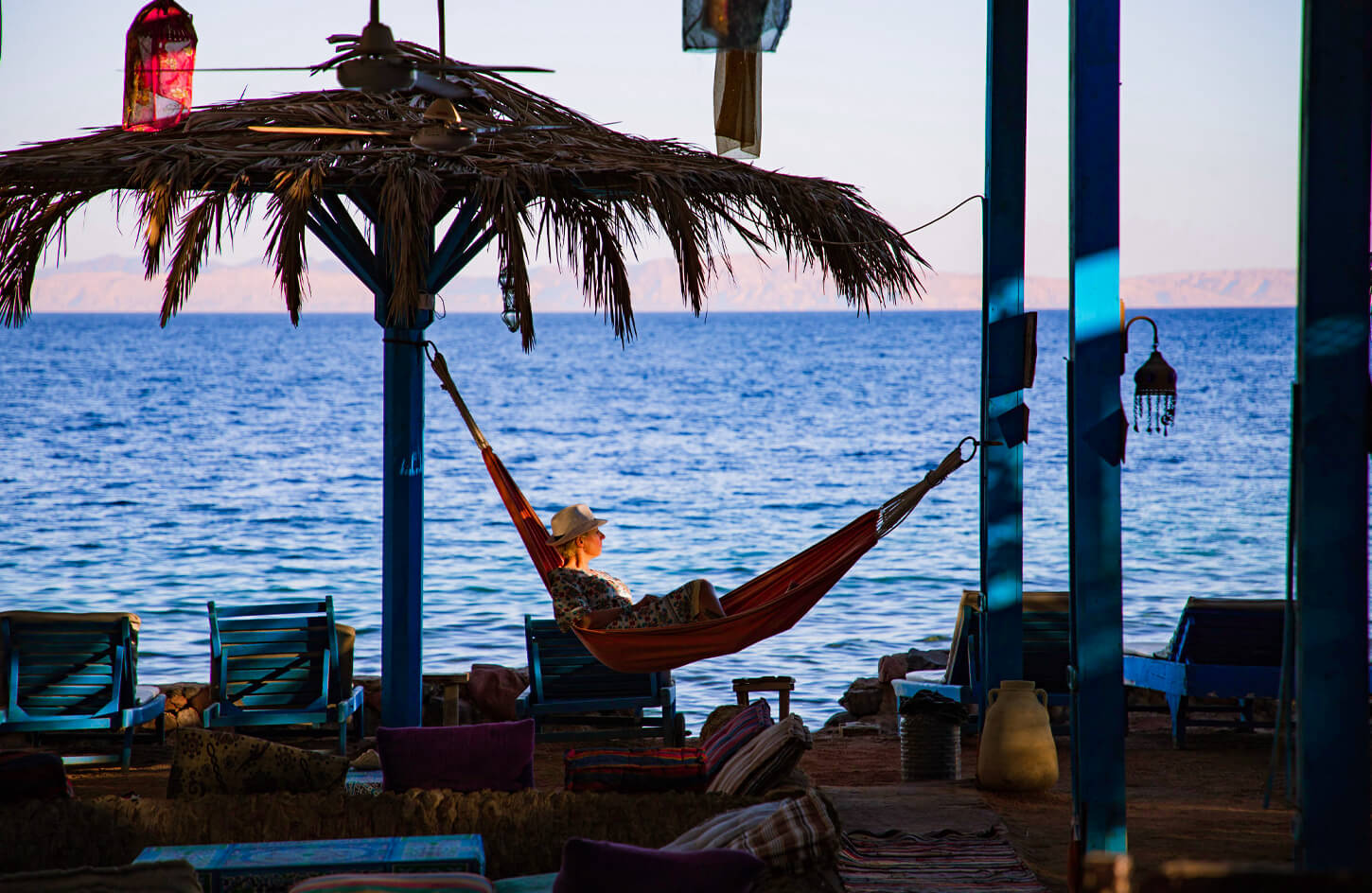
Navigating the diverse coastal regions of the southern Sinai Peninsula requires a clear understanding of its unique topography. Unlike flat, open mainland destinations that feature continuous sandy beaches stretching for miles, this region is defined by a dramatic, jagged landscape of elevated desert plateaus, protected marine coves, and steep underwater walls.
Because the coral ecosystems here grow directly up to the edge of the land, deciding where to stay in Sharm El Sheikh dictates your entire daily routine. A neighborhood perfect for a traveler wanting to step off a sandy shore into knee-deep water looks entirely different from a cliffside area designed for vertical drop-off diving.
This specialized guide analyzes the four primary geographic zones of this coastline to help you choose the ultimate base for your itinerary.
1. The Central Promenade Zone (Naama Bay)
This natural, horseshoe-shaped bay is the historic center of coastal tourism in the region. It is one of the very few points along this coastline where the fringing reef naturally breaks, creating a wide, sandy sea floor.
- The Waterfront Topography: The terrain is flat and easily walkable. A long, pedestrian-only stone promenade runs directly between the resort gardens and the sand, stretching for miles along the curve of the bay. This path is completely free of vehicle traffic, creating an open, connected beach community.
- Marine Conditions: The sandy slope allows you to wade directly into the water from the dry shoreline without walking across sharp rock or coral flats. While this makes it the safest and most comfortable zone for casual swimming, the heavy boat and water sports traffic inside the central bay means the marine life is less dense. To view active reefs, swimmers must walk to the rocky headlands at the far northern or southern tips of the bay.
- Why Choose This Area: If your primary concern regarding where to stay in Sharm El Sheikh is evening walkability, instant access to open-air dining, and a soft, sandy sea without utilizing a pier, this central bay is your best option.
2. The Northern Marine Plateau (Sharks Bay & Ras Nasrani)
Moving north past the airport, the landscape rises into a series of jagged coastal bluffs that face directly toward the deep shipping channels surrounding Tiran Island.
- The Waterfront Topography: Resorts in this sector are built on multi-level rock shelves cascading down toward the sea. The beaches here are not vast stretches of open sand, but rather intimate, private terraces carved into the limestone cliffs, offering elevated vantage points over the water.
- Marine Conditions: The deep waters just offshore bring exceptionally clear visibility and a high concentration of pelagic marine life, including eagle rays and large schools of specialized fish. To protect the delicate coral shelf that grows right to the cliff edge, guests walk out onto short, floating platforms to jump directly into deep water over the reef wall.
- Why Choose This Area: This area answers the question of where to stay in Sharm El Sheikh for couples and upscale travelers looking for a refined, self-contained resort experience with high-quality snorkeling directly on the hotel property.
3. The Protected Southern Cliffs (Hadaba & Ras Um Sid)
Perched on an elevated headland at the southwestern tip of the city, this mature district overlooks the old harbor lanes and commands expansive views of the sea traffic entering the Gulf of Aqaba.
- The Waterfront Topography: The geography here is defined by high, vertical desert cliffs that plunge sharply into the water. Instead of wide, sprawling hotel complexes, the lodging consists of compact, tiered properties stepped into the hillside, or boutique layouts situated on the upper plateau.
- Marine Conditions: Because this peninsula faces south, the high cliffs act as a natural barrier against the strong northern winds. The water remains calm, clear, and exceptionally still. The fringing coral walls here drop vertically into deep water right beside the shore, featuring dense forests of giant gorgonian fan corals.
- Why Choose This Area: When researching where to stay in Sharm El Sheikh for world-class marine life, this southern cliff zone delivers immediate access to pristine coral drop-offs without relying on daily boat excursions.
4. The Windward Plains (Nabq Bay)
Situated at the northernmost limits of the resort district, Nabq is a vast, flat desert plain that sits directly adjacent to a large wilderness conservation area known for its native saltwater mangrove forests.
- The Waterfront Topography: Because land is abundant here, the properties are massive, self-contained mega-resorts. These sprawling compounds feature massive pool networks, extensive private water parks, and large manicured gardens.
- Marine Conditions: The coastal shelf here is incredibly wide, flat, and shallow. A knee-deep tidal flat extends hundreds of yards out from the dry sand before reaching the coral drop-off. To swim or view marine life, guests must walk across exceptionally long wooden or floating piers—frequently measuring between 600 and 1,200 feet in length—to reach the deep blue water.
Environmental Note: Because Nabq faces the open, unprotected waters of the Gulf, it experiences significantly higher daily wind speeds and stronger wave action than the sheltered southern coves. Resorts use a strict marine flag warning system to close the long piers to swimmers when currents become hazardous.
- Why Choose This Area: This region is the ideal solution for families and groups looking for comprehensive all-inclusive packages where the primary focus is enjoying expansive on-site pool facilities, modern room layouts, and resort entertainment.
Comparative Regional Matrix
To visualize how these territorial zones differ, compare their physical characteristics across these core operational metrics:
| Geographic Zone | Water Access Method | Wind & Wave Exposure | General Vibe | Walkability Outside Resort |
| Central Promenade | Direct sandy walk-in | Extremely calm & shallow | Energetic & social | High (Direct access to pedestrian paths) |
| Northern Plateau | Short floating piers | Moderately sheltered | Polished & relaxed | Low (Centered around independent squares) |
| Southern Cliffs | Cliff paths / Beach stairs | Highly sheltered & calm | Laid-back & scenic | Moderate (Requires short taxi to main hubs) |
| Windward Plains | Ultra-long wooden jetties | High wind & wave action | Expansive & resort-centric | Low (Isolated, self-contained compounds) |
Securing Your Base
To ensure your accommodation layout matches your daily travel expectations, always audit the specific marine access of the property you are evaluating.
If your core goal is to spend your mornings drifting effortlessly over vibrant coral walls with minimal wind disruption and maximum visibility, focus your search on the sheltered inlets of Ras Um Sid or the Northern Marine Plateau. Conversely, if your itinerary prioritizes casual beach lounging, evening walks along a bustling waterfront, and safe swimming without the need for footwear or long pier walks, the protected sandy shores of the Central Promenade will deliver the most practical foundation for your stay.
FAQs About Where to Stay in Sharm El Sheikh
1. Where is the best area to stay in Sharm El Sheikh for first-time visitors?
Naama Bay is one of the best areas for first-time visitors because it offers a wide selection of hotels, restaurants, beaches, shopping, and nightlife. It also provides easy access to many of Sharm el-Sheikh’s top attractions and water activities.
2. Which area is best to stay in Sharm El Sheikh for families?
Shark’s Bay and Nabq Bay are excellent choices for families. These areas feature family-friendly resorts, private beaches, children’s pools, entertainment programs, and a quieter atmosphere ideal for a relaxing vacation.
3. Where should couples stay in Sharm El Sheikh?
Couples looking for a romantic getaway often choose luxury resorts in Shark’s Bay or Ras Um Sid. These areas offer beautiful beaches, spa facilities, fine dining, and spectacular Red Sea views.
4. What is the safest area to stay in Sharm El Sheikh?
Sharm El Sheikh is generally considered a safe tourist destination. Popular areas such as Naama Bay, Shark’s Bay, Nabq Bay, and Ras Um Sid are well-developed tourist zones with hotels, security, and visitor services.
5. Is Naama Bay the best place to stay in Sharm El Sheikh?
Naama Bay is one of the most popular places to stay thanks to its lively atmosphere, sandy beaches, restaurants, shopping, and nightlife. It’s an excellent choice for travelers who want to be close to the city’s main attractions.
6. Which area in Sharm El Sheikh has the best beaches?
Shark’s Bay, Ras Um Sid, and Nabq Bay are known for their beautiful beaches, crystal-clear waters, and excellent snorkeling and diving opportunities along the Red Sea.
7. Where should divers stay in Sharm El Sheikh?
Divers often choose accommodations near Shark’s Bay or Ras Um Sid because of their proximity to famous dive sites, coral reefs, and boat excursions to Ras Mohammed National Park and Tiran Island.
8. Is it better to stay in Naama Bay or Nabq Bay?
Naama Bay is ideal for visitors who enjoy nightlife, shopping, and entertainment, while Nabq Bay offers a quieter atmosphere with spacious resorts, making it perfect for families and travelers seeking relaxation.
9. How many days should you stay in Sharm El Sheikh?
A stay of 4 to 7 days is ideal for enjoying the beaches, snorkeling, diving, desert safaris, boat trips, and nearby attractions while allowing time to relax at your resort.
10. Can I combine Sharm El Sheikh with other destinations in Egypt?
Yes. Many travelers combine Sharm El Sheikh with Cairo, Luxor, Aswan, or a Nile River cruise as part of an Egypt tour package, creating a well-balanced itinerary that blends beach relaxation with Egypt’s ancient history.